🇧🇹 Bhutan Travel Info
🕰️ History of Bhutan
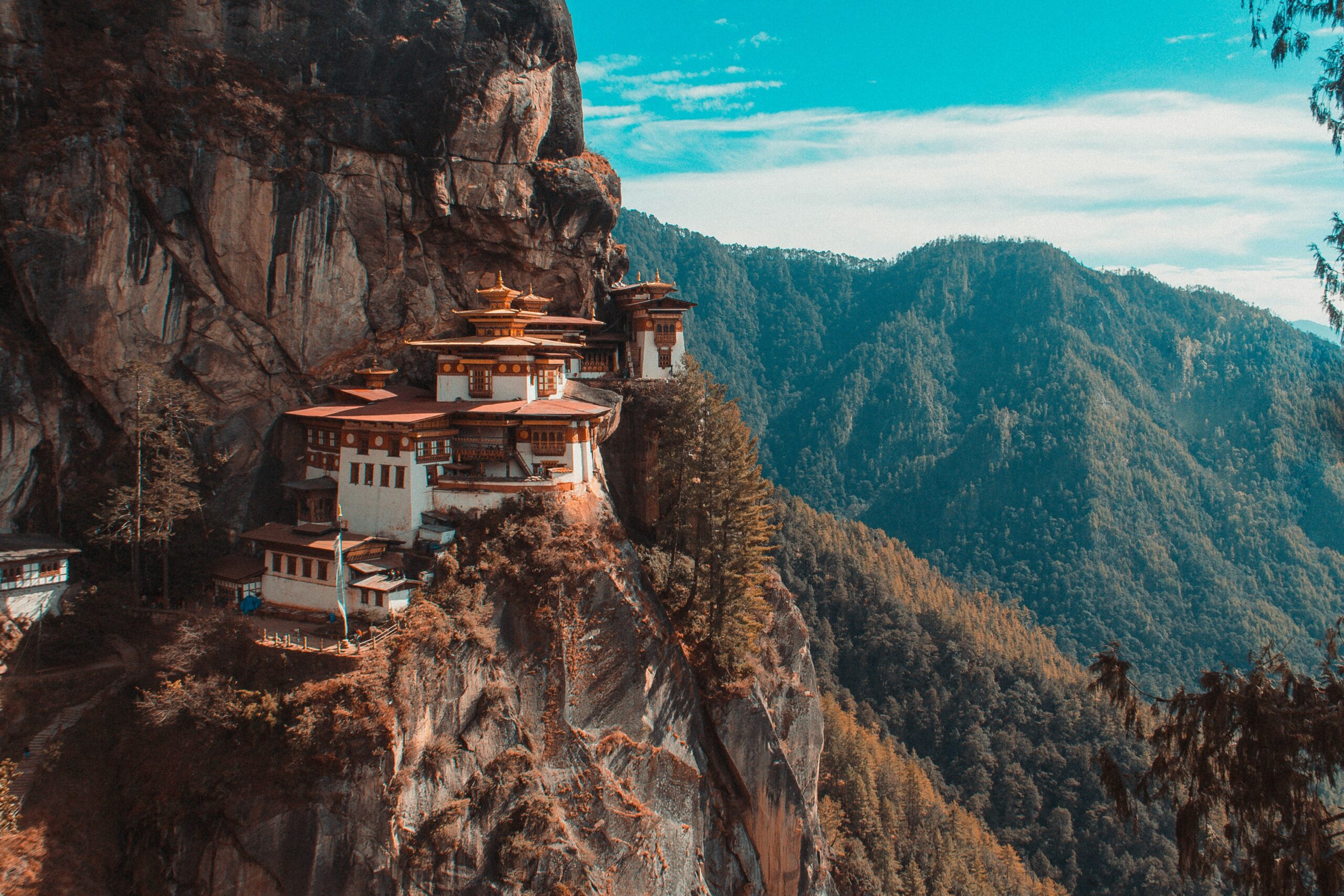
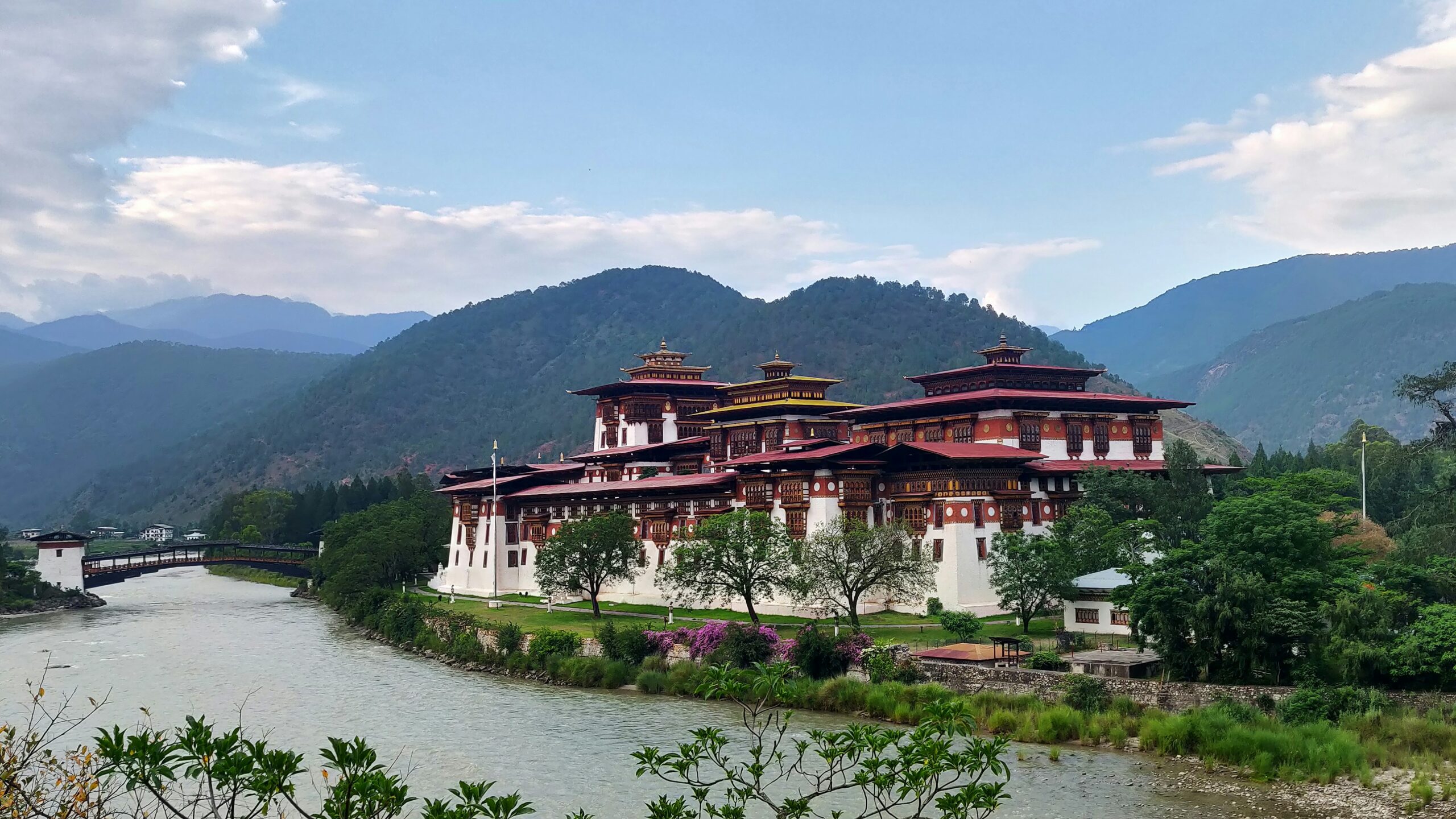
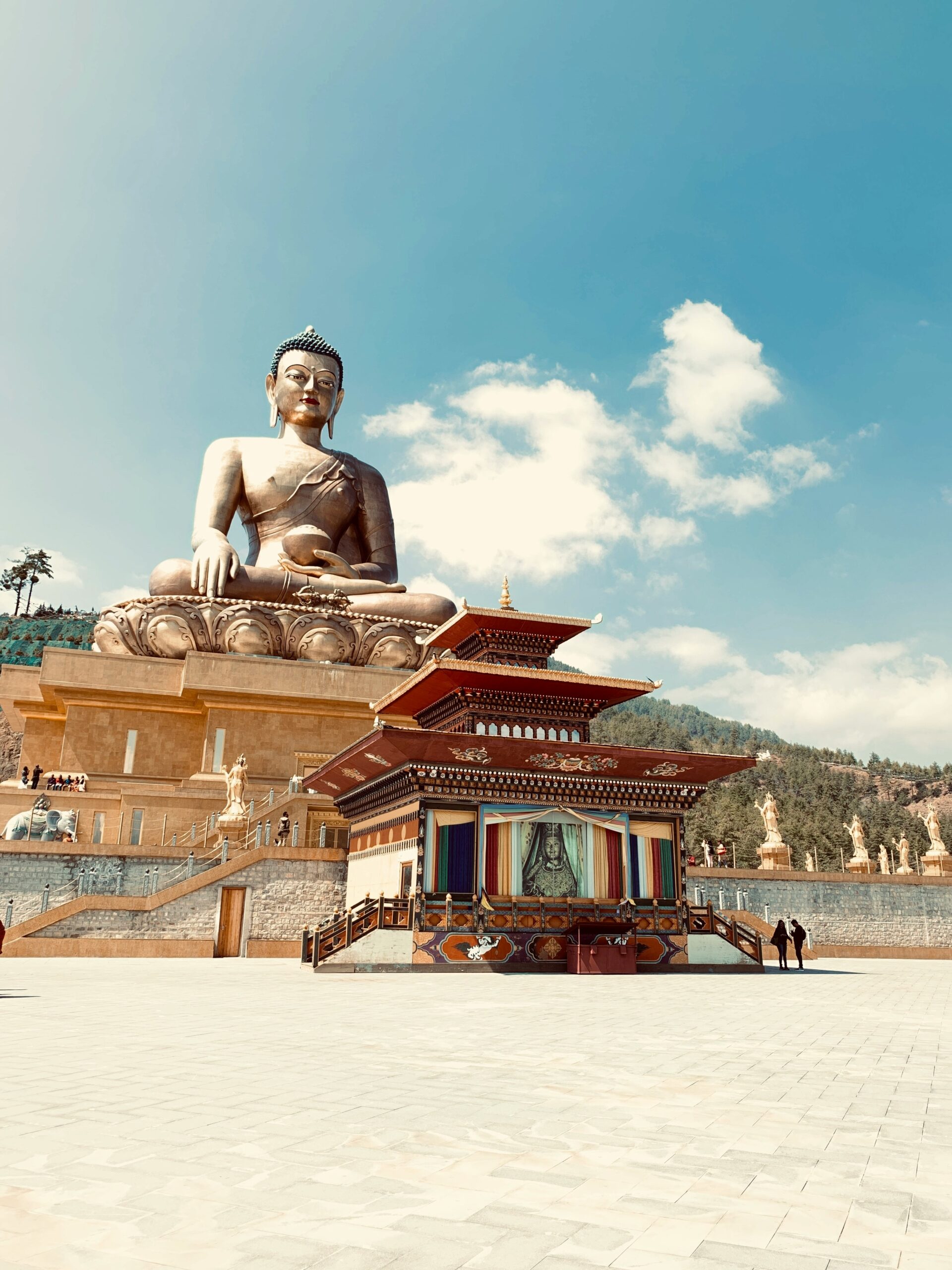
Bhutan’s history is as spiritually profound as it is politically unique. The country traces its origins back to the 7th century with the arrival of Buddhism and the construction of its first temples. However, it was in the 17th century that Bhutan was unified under the leadership of Zhabdrung Ngawang Namgyal, who established the dual system of governance combining both spiritual and political authority. For centuries, Bhutan remained isolated, fiercely guarding its sovereignty, especially from Tibetan and later British influences. The Treaty of Punakha (1910) allowed the British to guide Bhutan’s foreign relations while preserving its internal autonomy. In 2008, Bhutan transitioned from an absolute monarchy to a constitutional monarchy and held its first democratic elections — a significant moment in its modern history.
🏔️ Geography and Climate
Covering around 38,394 sq. km, Bhutan is a landlocked Himalayan kingdom bordered by India and China. Known for its dramatic landscapes, Bhutan ranges from subtropical plains in the south to snow-capped mountains in the north. Over 70% of the country is forested, making it one of the world’s few carbon-negative nations. The climate varies by altitude — southern regions are warm and humid, while central valleys enjoy cool, temperate weather. Northern mountain regions experience alpine conditions with snow in winter. The country is home to numerous national parks and conservation areas that shelter rare species like the snow leopard, red panda, and takins — Bhutan’s national animal.
👥 People and Culture
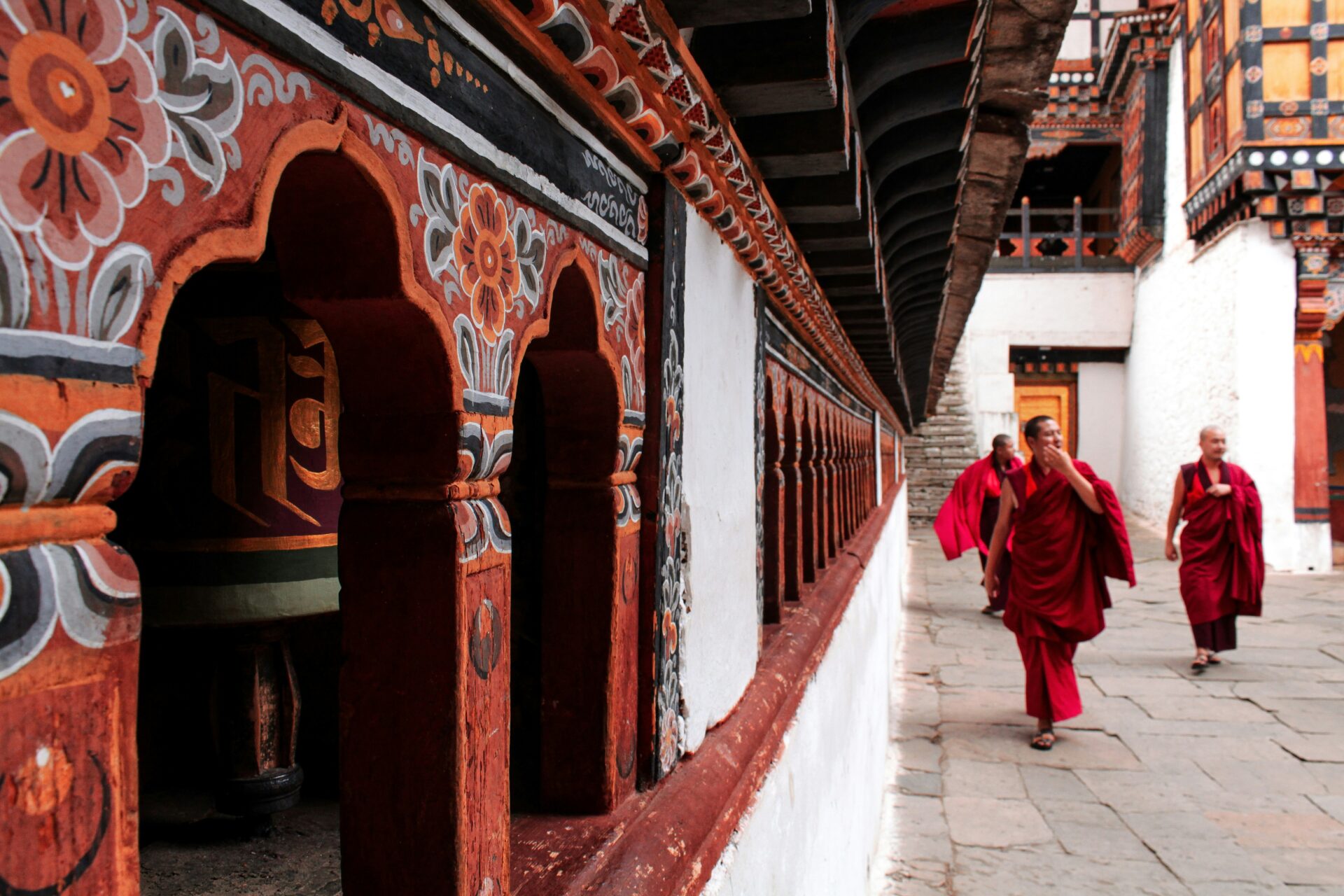
Bhutan is home to over 700,000 people, with a rich tapestry of ethnic groups, including the Ngalops, Sharchops, and Lhotshampas. The population is united by shared values rooted in Buddhism, respect for nature, and strong community ties. The Bhutanese people are known for their warmth, humility, and deep spiritual devotion. Traditional attire — Gho for men and Kira for women — is commonly worn, especially in formal and official settings. Bhutan’s official language is Dzongkha, though English is widely used in education and government. The country’s guiding development philosophy, Gross National Happiness (GNH), reflects its holistic approach to well-being, culture, and sustainability.
🍛 Food and Cuisine
Bhutanese cuisine is hearty, flavorful, and built around the staples of red rice, chilies, and dairy. Unlike many Asian cuisines, Bhutanese food leans toward spice and simplicity. Chilies are not just seasoning — they are considered a vegetable! Popular dishes include:
Ema Datshi – The national dish, made of chilies and local cheese
Kewa Datshi – Potatoes cooked in cheese sauce
Phaksha Paa – Pork cooked with red chilies and radish
Jasha Maru – Spicy chicken curry
Red Rice – Grown in high altitudes, served with most meals
Suja – Traditional butter tea
Ara – A local spirit distilled from rice, maize, or wheat
Momos – Popular Tibetan-style dumplings filled with meat or vegetables
The cuisine reflects a deep connection to nature and seasonality, with fresh herbs and organic produce used widely.
🎉 Festivals
Festivals in Bhutan, known as Tshechus, are deeply religious and culturally immersive events held in monasteries and dzongs (fortresses) across the country. These festivals honor Guru Rinpoche, the saint who brought Buddhism to Bhutan. People gather in traditional dress, with masked dances, music, and spiritual blessings forming the core of the celebrations. Key festivals include:
Paro Tshechu
Thimphu Tshechu
Punakha Drubchen and Tshechu
Jambay Lhakhang Drup (Bumthang)
Haa Summer Festival
Black-Necked Crane Festival (Phobjikha Valley)
These festivals are not only spiritual but also a vibrant expression of Bhutanese culture, identity, and unity.
🚗 How to Reach Bhutan
✈️ By Air:
Paro International Airport is Bhutan’s only international airport.
Direct flights available from:
Airlines: Druk Air and Bhutan Airlines
🚙 By Road:
From India, travelers can enter Bhutan via:
Indian tourists require an Entry Permit and must pay a Sustainable Development Fee (SDF) of INR ₹1,200 per day (as of 2024).
🗺️ Things to Do in Bhutan
🏞️ Nature & Wildlife
Explore Jigme Dorji National Park and Sakteng Wildlife Sanctuary
Spot rare animals like the takin, snow leopard, and golden langur
Visit Phobjikha Valley for black-necked crane sightings
🧗♂️ Trekking & Adventure
🏛️ Culture & Heritage
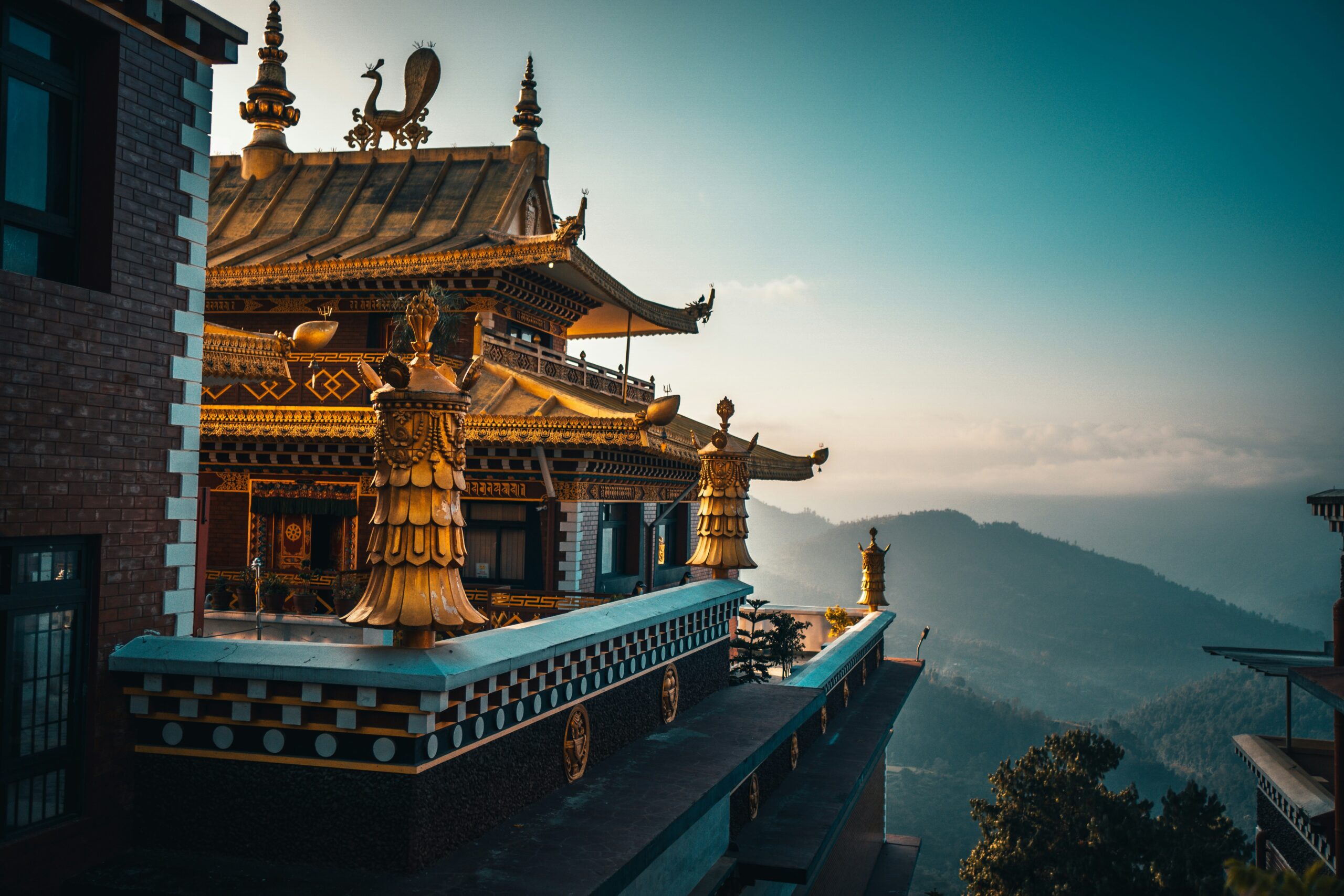
Visit ancient dzongs, monasteries, and chortens
Discover Bhutanese art, textiles, and traditional architecture
Experience meditation retreats and monastic life
🍽️ Culinary Experiences
Try Bhutanese cooking classes
Taste local cheese, chili sauces, and home-brewed Ara
Enjoy farm-to-table meals in rural homestays