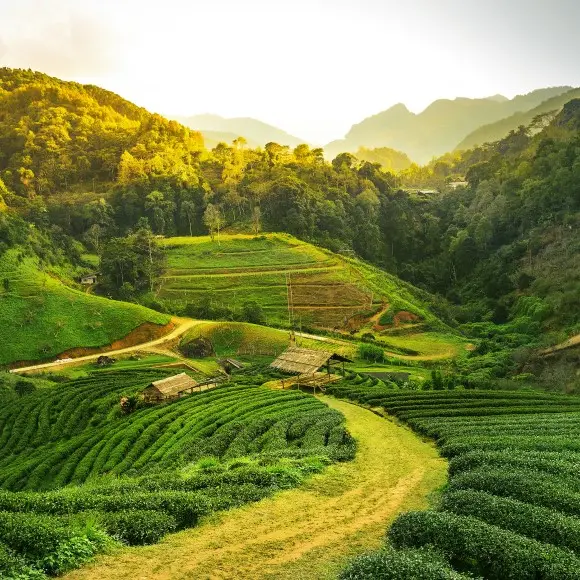
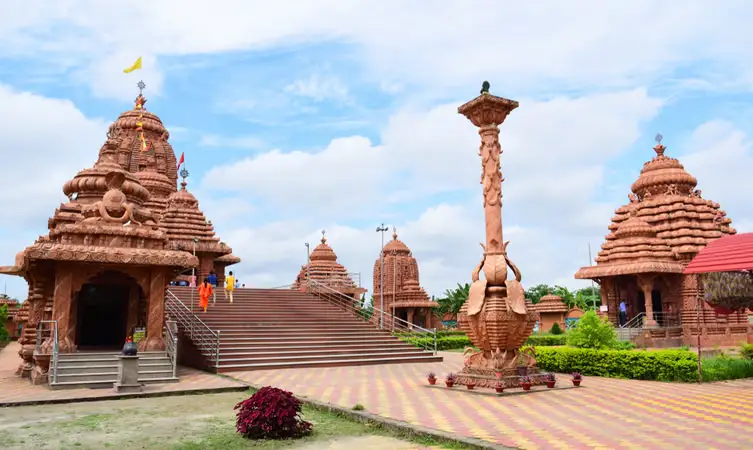
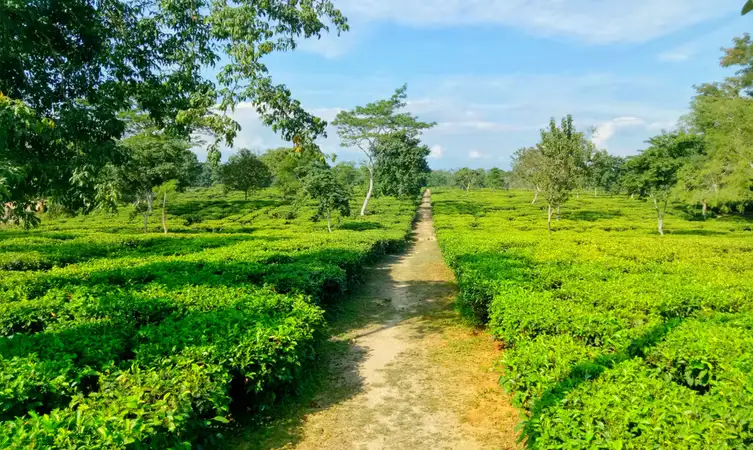
Assam’s history is as rich and fascinating as its landscapes. The region traces its roots back to the 3rd century when the Ahom Dynasty established its reign, shaping the cultural and political identity of the land for centuries. Later, Assam became part of the Mughal Empire before the British gained control through the Treaty of Yandaboo in 1826. Under British rule, Assam was merged with the Bengal Presidency and became a global hub for tea cultivation – a legacy that continues today, with tea estates spread across the state’s rolling hills.
Geography and Climate
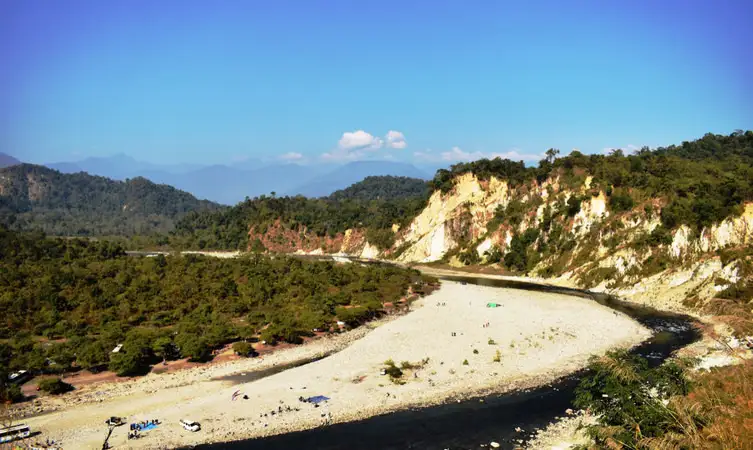
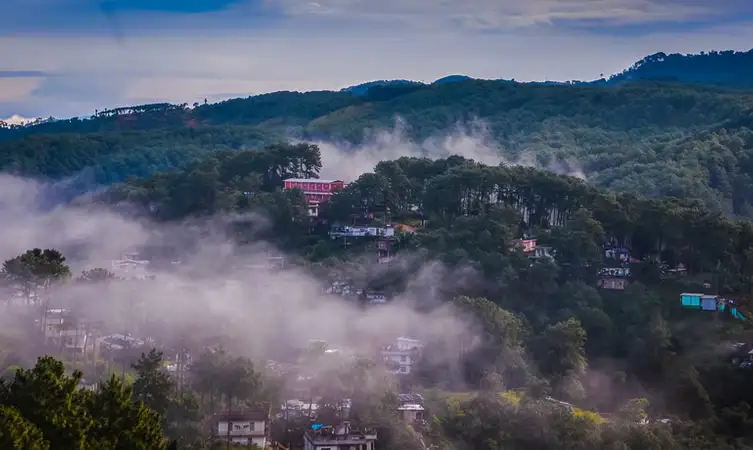
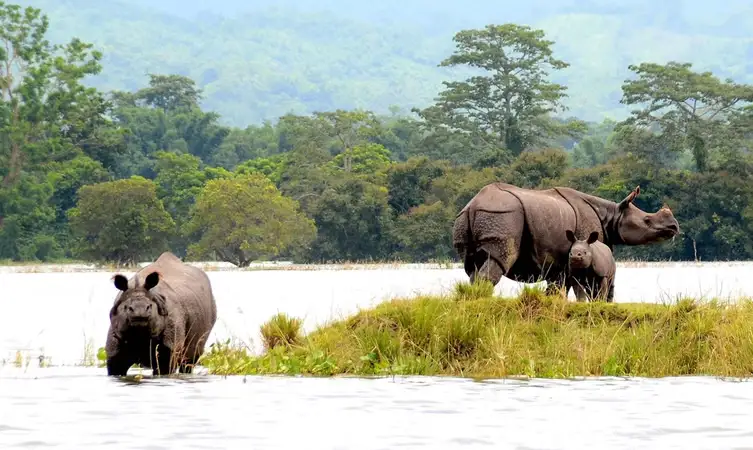
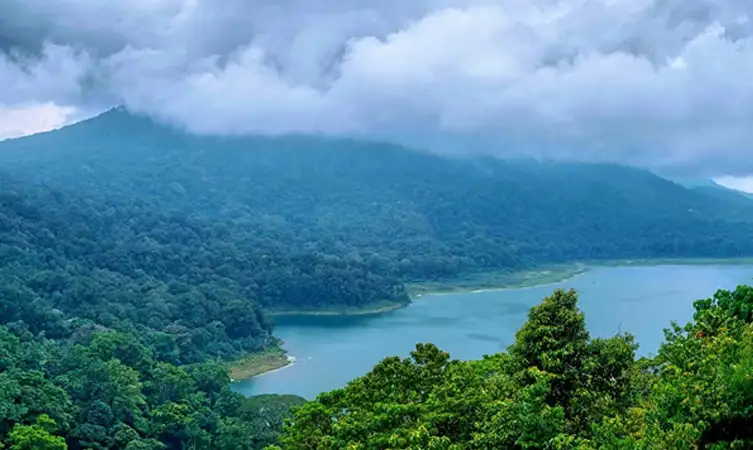
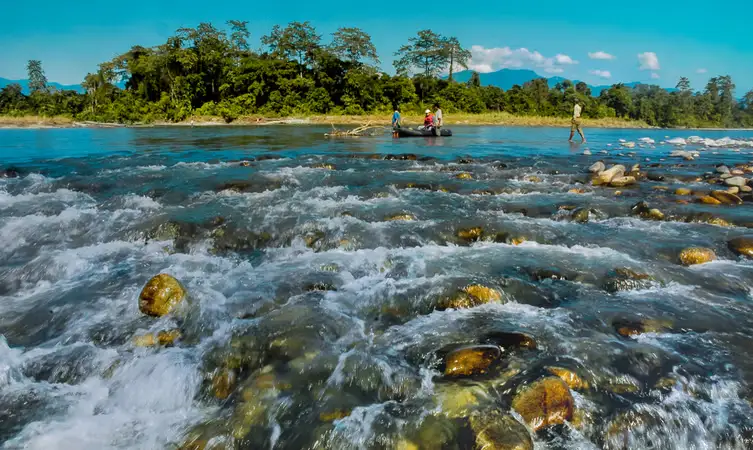
Spanning 78,438 sq. km, Assam is one of Northeast India’s most diverse and captivating states. With over 35% of its land covered by dense forests, it is home to incredible wildlife including rare animals and exotic bird species. The state enjoys a tropical monsoon climate – summers are warm and humid, while winters are cool and pleasant, making it a year-round destination. Assam also hosts the world-famous Kaziranga National Park, a UNESCO World Heritage Site known for sheltering the largest population of the majestic One-Horned Rhinoceros.
People and Culture
Assam is home to more than 36 million people, representing a harmonious blend of different tribes, religions, and communities. This diversity reflects beautifully in their vibrant culture, festivals, art, and everyday life. Agriculture and traditional crafts play a vital role in the economy, with tea cultivation being a key occupation in rural areas. Known for their warmth and honesty, the people of Assam celebrate life through their traditions, while Asomiya (Assamese) remains the most widely spoken language across the state.
Food and Cuisine
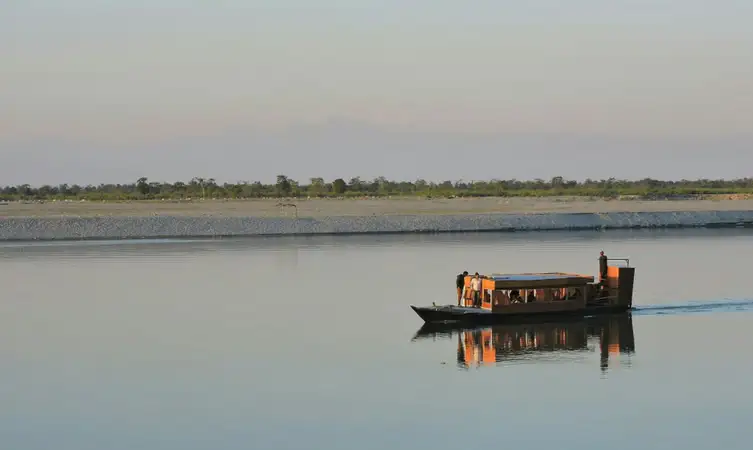
Assamese cuisine is a delightful mix of simplicity and flavor, drawing inspiration from its diverse tribes and communities. With its many rivers, fish holds a special place in the local diet and is cooked in a variety of styles – each bursting with fresh flavors. Unlike its fiery neighbors, Assamese food is subtle, wholesome, and crafted with seasonal vegetables, rice, herbs, and light spices. Popular delicacies include:
- Khar – a traditional Assamese dish made with raw papaya and pulses
- Sour Curry (Tenga) – light, tangy fish curry
- Masor Tenga – the state’s signature sour fish dish
- Pitha – a traditional sweet or savory rice cake
- Assam Tea – world-renowned for its bold and malty flavor
- Tok Jolpan – light snacks made of rice and curd
- Assamese Thali – a wholesome platter showcasing the best of local cuisine
Festivals
Festivals are the soul of Assam, reflecting its cultural vibrancy and traditions. Each celebration showcases the spirit of unity among its people, with many festivals tied to agricultural cycles and seasonal changes. From the colorful rhythms of Bihu to the spiritual grandeur of Durga Puja and the sacred Ambubachi Mela, Assam is alive with joy, devotion, and cultural expression throughout the year. Some of the major festivals include:
- Holi
- Durga Puja
- Ali-Ai-Ligang
- Baikho
- Bohaggiyo Bishu
- Bihu Festival
- Ambubachi Mela